
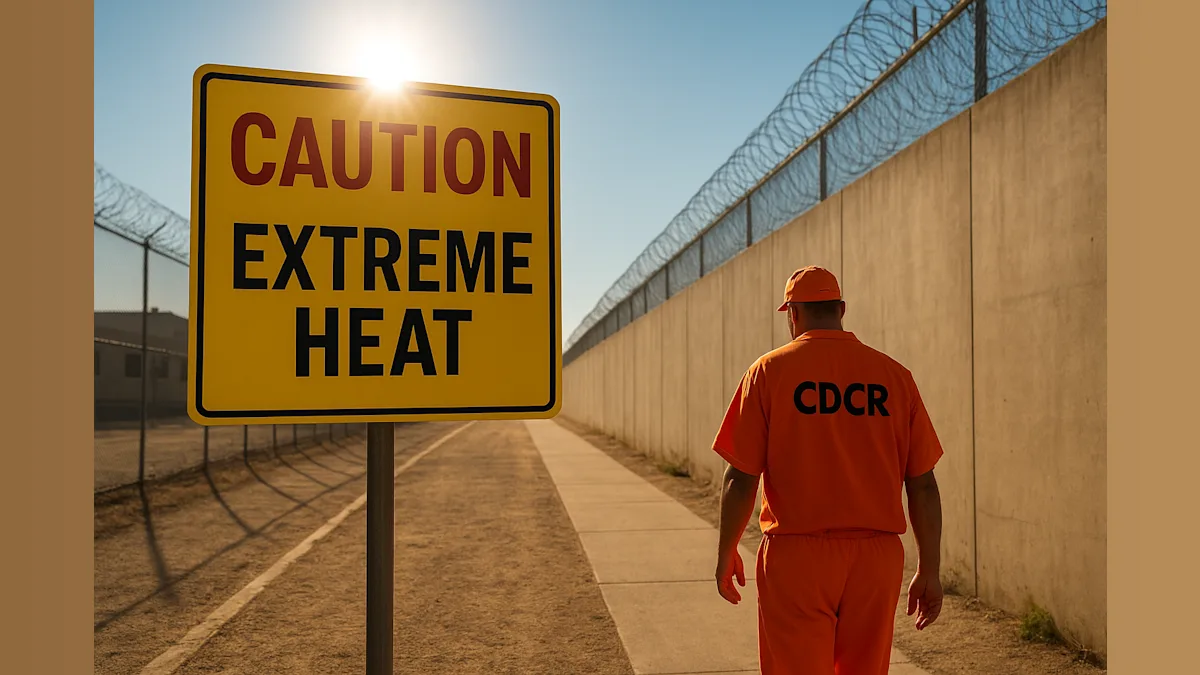
Our state is taking a significant step toward protecting some of its most vulnerable workers from the dangers of extreme heat. California regulators are proposing to eliminate an exemption that has left incarcerated people working in prisons without the same heat safety protections afforded to other workers across the state.
As climate change continues to push temperatures higher, this move addresses a growing public health concern within our correctional facilities. Currently, people working inside California's prisons—whether in kitchens, laundries, or maintenance roles—don't receive the mandatory cooling breaks, shade access, and water provisions that outdoor workers in agriculture, construction, and other industries are guaranteed by law.
The proposed regulatory change would bring workplace safety standards inside prison walls in line with those protecting workers throughout California. This means incarcerated individuals performing labor would have access to adequate hydration, rest periods during extreme heat, and monitoring for signs of heat-related illness.
Heat-related illnesses can be severe and even fatal. Symptoms range from heat exhaustion—characterized by heavy sweating, weakness, and nausea—to life-threatening heat stroke. Workers in enclosed spaces without adequate ventilation or cooling face heightened risks, particularly during California's increasingly intense heat waves.
The timing of this proposal reflects both the urgency of climate adaptation and a broader conversation about humane treatment within our criminal justice system. Advocates for incarcerated people have long argued that basic workplace protections shouldn't end at the prison gate, especially as our state experiences record-breaking temperatures with greater frequency.
Many California prisons were built decades ago without modern climate considerations. Concrete buildings can trap heat, creating oven-like conditions during summer months. Without proper safeguards, people working in these environments face serious health risks that are entirely preventable with appropriate policies in place.
This regulatory proposal represents a recognition that workplace safety is a fundamental right, regardless of a person's incarceration status. As our community grapples with the realities of a warming climate, ensuring that all workers—including those behind bars—have protection from extreme heat is both a matter of public health and basic human dignity.
The proposed changes will likely undergo a public comment period before final adoption, giving community members, advocacy organizations, and corrections officials an opportunity to weigh in on the specific requirements and implementation timeline.