
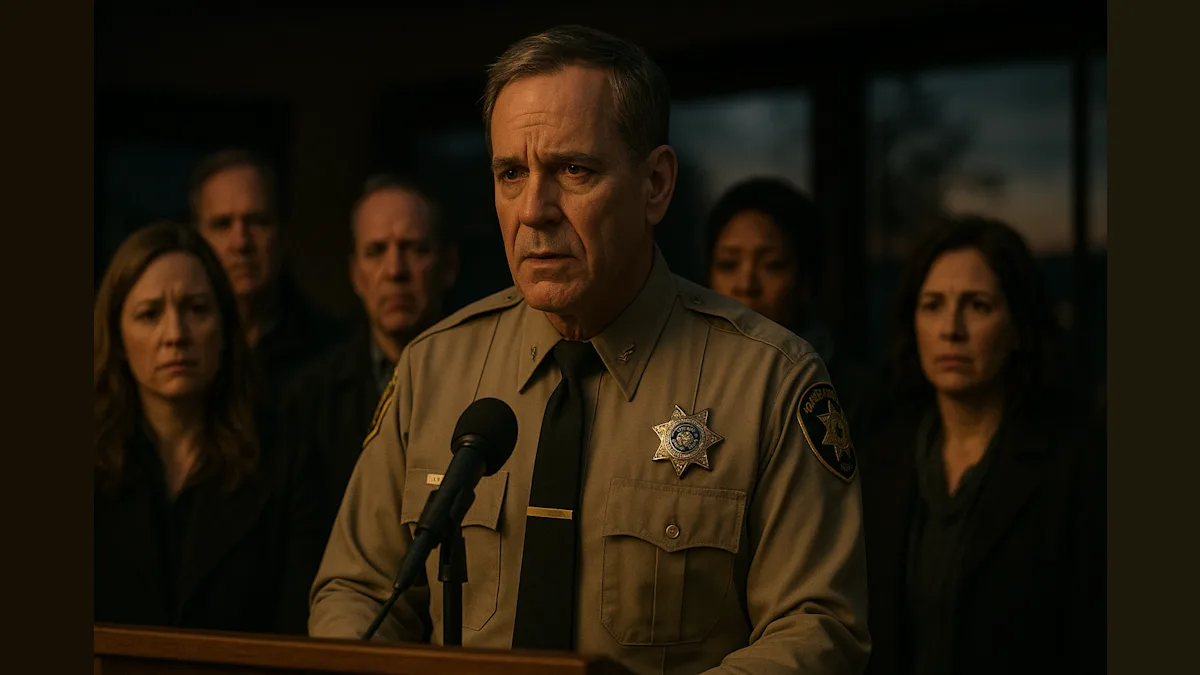
Recent outrage has erupted in California after the early release of serial child rapist David Funston, a move that Sacramento County Sheriff Jim Cooper has deemed alarming. Under California’s elderly parole law, which was revised in 2020 to lower the eligibility age for parole to 50 and reduce the time served to 20 years, Funston’s release highlights significant concerns regarding public safety, especially for children.
Sheriff Cooper is not just scratching his head over this policy; he’s raising serious questions about who’s looking out for the kids in our communities. He argues that the decision to let violent offenders like Funston walk free could have dire consequences, and that the public deserves transparency about released offenders and their potential risks.
The law redefines “elderly” in the criminal justice context and has sparked heated discussions on whether this is a compassionate reform or an unjustified risk. Cooper’s statements echo a growing concern that California’s approach to justice may be hitting a nerve. As more voices join the conversation, it’s clear that this topic isn’t going away anytime soon—and neither are the vital questions surrounding the safety of our most vulnerable citizens.
About the Author
Andrew Johnson
Andrew Johnson is a contributor to LocalBeat, covering local news and community stories.