
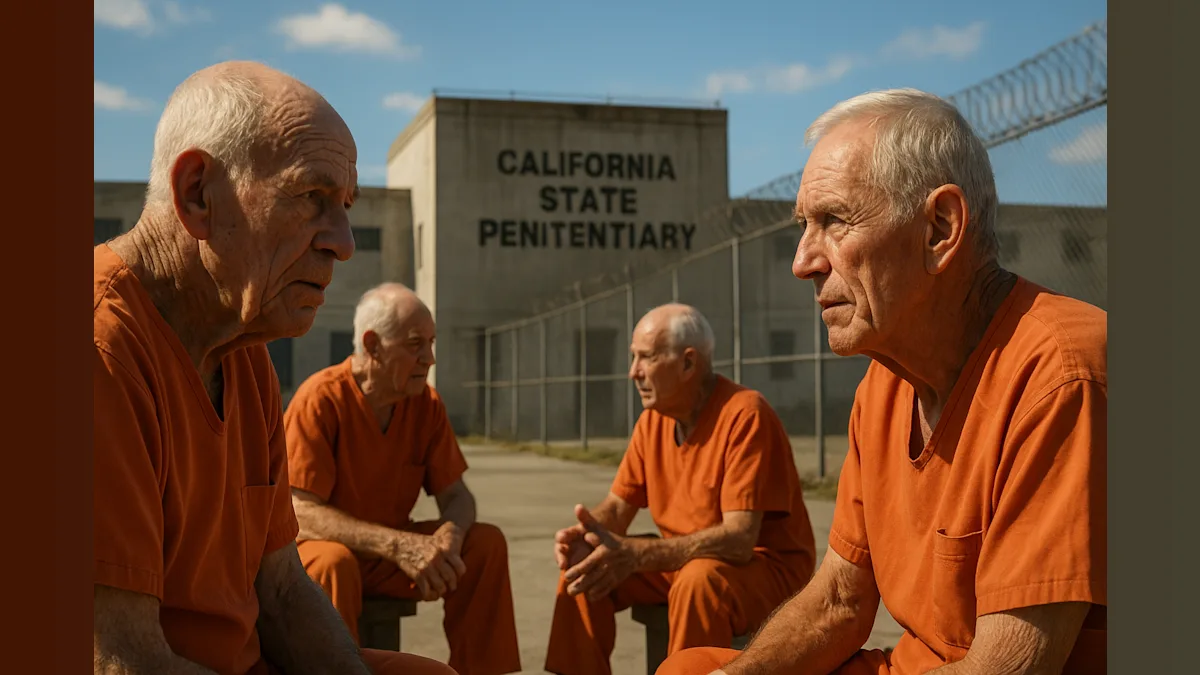
California’s Elderly Parole program has undergone some significant changes since its inception in 2014, a response to pressure from overcrowded prisons. Originally, the program allowed inmates aged 60 and older, who had served a minimum of 25 years, to qualify for parole. Fast forward to 2021, and the California Legislature took a bold step by lowering the minimum age to 50 and reducing the time served to just 20 years.
This shift puts California on the map, joining at least 24 other states with similar programs. However, it raises eyebrows as most states require a minimum age of 60 to 65, while also allowing parole eligibility after about ten years served. As with any major change, legislators are now considering revisions to the existing rules, with some proposals aiming to raise the minimum age back to 65 and tighten eligibility criteria for serious offenses.
As California grapples with these evolving laws, the conversation continues about what is fair and just for both inmates seeking rehabilitation and communities concerned about safety. One thing’s for sure—balancing compassion with public safety is no easy task, and this ongoing debate is just heating up!
About the Author
Andrew Johnson
Andrew Johnson is a contributor to LocalBeat, covering local news and community stories.