
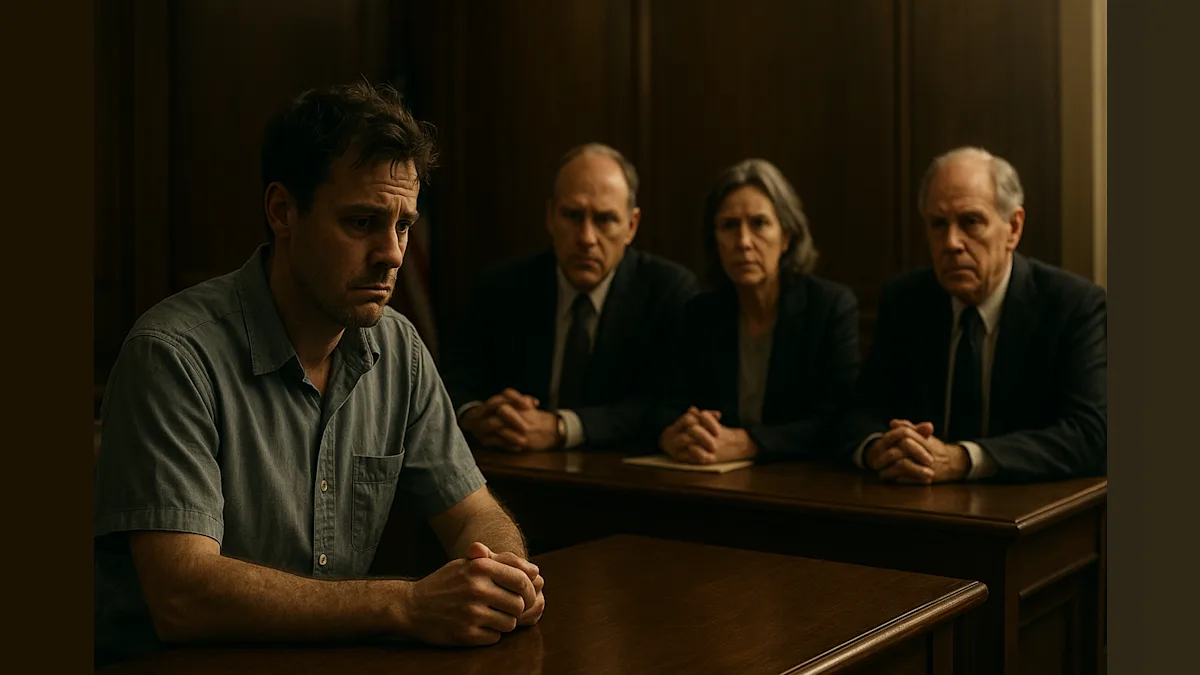
David Allen Funston, a 64-year-old convicted child molester, recently made headlines after being granted parole despite troubling admissions about his past fantasies. After serving 26 years of a 68-year prison sentence for kidnapping and child molestation, he appeared before the parole board and claimed to have sought help for his disturbing thoughts, even detailing instances of fantasizing about children as recently as 2021. This case was originally set for release but was interrupted by new charges filed against him related to an earlier assault in 1996.
The triggering circumstances around Funston’s suitability for parole raise significant concerns about community safety and the effectiveness of programs designed to assess such cases. While the board noted that he had developed an“urge control plan,”Deputy District Attorney Dean Archibald warned that Funston posed an unreasonable risk to the public. After a thorough review, the Governor even called for reconsideration of the parole decision, yet the board reaffirmed their initial ruling.
As the saga continues, the case highlights a contentious debate surrounding California’s Elderly Parole program, which allows aging inmates to receive parole under certain conditions. Funston’s experience prompts many to question the balance between rehabilitation and public safety, and the implications for victims from past crimes. In a world where second chances are essential, when does protecting society become paramount?
About the Author
Andrew Johnson
Andrew Johnson is a contributor to LocalBeat, covering local news and community stories.