
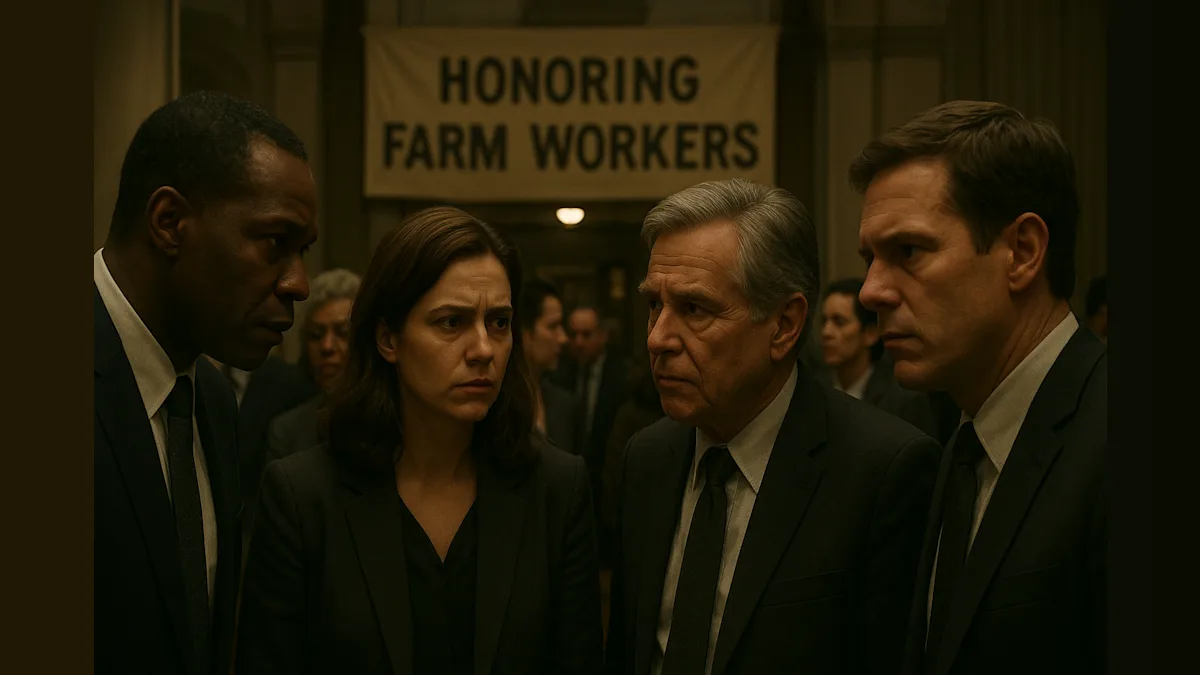
Recent revelations have cast a shadow over the legacy of César Chávez, the renowned labor rights activist. A multi-year investigation by the New York Times has uncovered allegations of sexual abuse involving two underage girls during the 1970s. Adding to the gravity of the situation, civil rights leader Dolores Huerta has broken her silence to disclose that she was also a victim of Chávez, resulting in the birth of two children—a secret she kept for an astonishing 60 years.
The fallout from these shocking accusations is already prompting calls to change César Chávez Day to Farm Workers Day, shining the spotlight not only on Chávez’s legacy but also on the broader context of the labor movement. Governor Gavin Newsom and various state leaders expressed their shock and emphasized the need for accountability. This complex situation is forcing the state and its people to consider how history’s heroes can sometimes harbor dark secrets, urging a reevaluation of legacies tied to larger movements.
It’s a moment that raises questions about accountability, legacy, and how we honor those whose contributions to society are now intertwined with troubling truths. As we reflect on these developments, how do we balance historical achievements against the need for justice and the voices of those who suffered? One thing’s for sure: the road ahead is anything but simple.
About the Author
Andrew Johnson
Andrew Johnson is a contributor to LocalBeat, covering local news and community stories.