
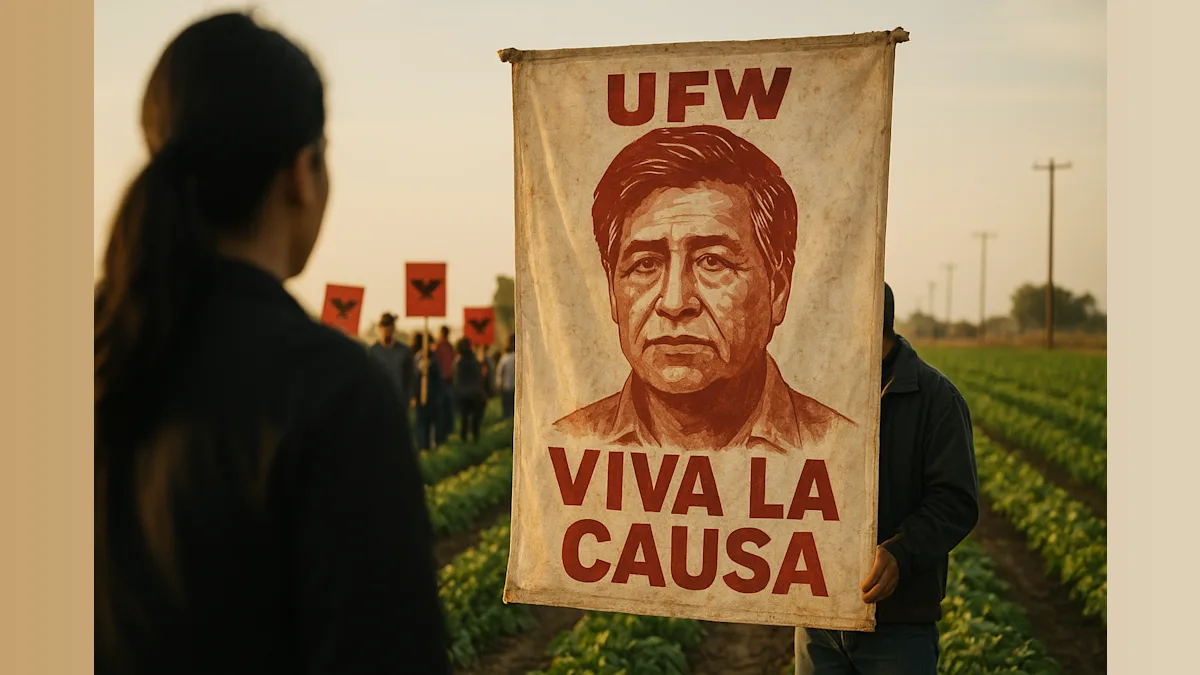
Our community has long celebrated César Chavez as a champion of farmworker rights, a symbol of justice whose name graces schools, streets, and a national holiday. But recent revelations are prompting a difficult conversation about the complex reality behind the icon.
Allegations of abusive practices within the United Farm Workers movement during Chavez's leadership are emerging from those who lived and worked alongside him. These accounts describe a darker side to the organization that transformed labor rights in California's agricultural heartland.
The tension between Chavez's undeniable achievements and these troubling allegations reflects a broader challenge our society faces: how do we honor genuine progress while acknowledging harm? Chavez's boycotts and organizing efforts secured better wages, safer conditions, and dignity for countless farmworkers who had been invisible and exploited for generations.
Yet the voices now coming forward deserve to be heard with the same commitment to justice that Chavez himself championed. Their stories suggest that the movement's internal culture sometimes contradicted its public mission, creating an environment where some individuals experienced mistreatment rather than empowerment.
This reckoning isn't about erasing history or diminishing legitimate accomplishments. It's about embracing a more complete understanding of our past. The farmworkers who continue laboring in our fields today deserve leaders and movements that learn from both the triumphs and failures of those who came before.
As our community processes these revelations, we face important questions about how we tell stories of social change. Can we hold space for both gratitude and grief? Can we celebrate progress while supporting those who paid hidden costs?
The answers matter not just for historical accuracy, but for the ongoing struggle for farmworker rights. Today's labor organizers can build something stronger by learning from the full truth of the past—the inspiring victories and the painful mistakes alike.