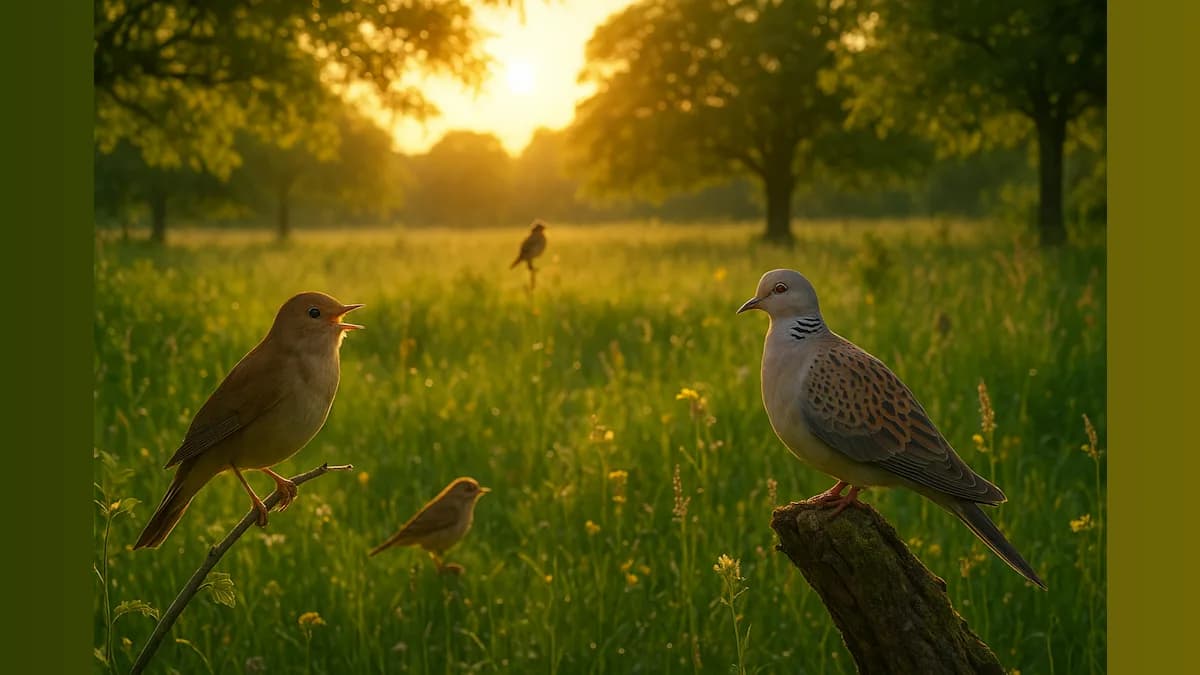
The Knepp Estate in West Sussex has achieved something extraordinary, boasting a jaw-dropping 916% increase in breeding birds since 2007. What began as a failing agricultural venture has blossomed into a flourishing haven for wildlife, with the number of bird species rising from 22 to an impressive 51. The transformation is driven by the choices made by owners Charlie Burrell and Isabella Tree, who decided to embrace rewilding rather than traditional farming, and it’s paying off in a big way.
Now, visitors can spot rare species like turtle doves and peregrine falcons, not to mention one percent of the entire British nightingale population nesting on the estate. This remarkable comeback is reinforced by the rich biodiversity that has returned, including numerous plants and insects, creating a lively ecosystem that attracts both wildlife lovers and curious adventurers alike.
The Knepp Estate is a shining example of what’s possible when land is allowed to return to its natural state. As it turns out, giving nature a little space can lead to surprising results. Who would have thought that a seemingly simple switch from crops to critters could yield this kind of outcome? It’s clear that letting nature take the reins can be more than just a whim—it can transform entire landscapes and breathe new life into our endangered wildlife. It makes you wonder what other places could benefit from a similar approach, don’t you think?
About the Author
Andrew Johnson
Andrew Johnson is a contributor to LocalBeat, covering local news and community stories.