
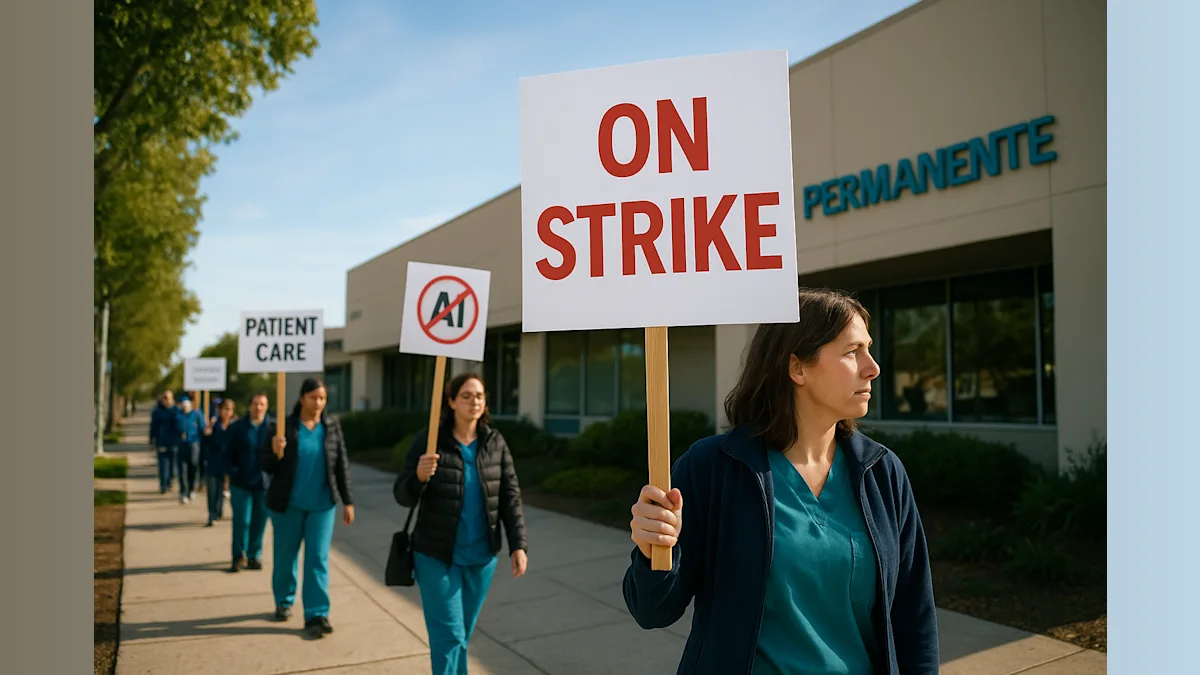
Our community's mental health services faced disruption as Kaiser Permanente therapists across Northern California staged a one-day strike, bringing attention to critical concerns about patient care and the growing role of artificial intelligence in healthcare delivery.
The work stoppage represents a significant moment in the ongoing conversation about how technology intersects with mental health treatment, and what it means for patients seeking care in our region.
Why Therapists Walked Out
Mental health professionals are raising alarms about two interconnected issues: the introduction of AI tools in patient care and what they describe as inadequate staffing levels that compromise their ability to provide quality treatment.
The strike underscores a broader tension in healthcare as institutions increasingly turn to technology solutions while workers argue that human connection remains irreplaceable in mental health treatment. Therapists contend that artificial intelligence cannot substitute for the nuanced, empathetic care that patients experiencing mental health challenges require.
What This Means for Patients
For individuals and families relying on Kaiser's mental health services, the strike highlights ongoing challenges in accessing timely care. The therapists' concerns about staffing levels directly impact appointment availability and the continuity of care that patients receive.
The debate over AI in mental healthcare also raises important questions about privacy, the therapeutic relationship, and whether technology can truly understand the complexities of human emotion and mental health conditions.
A Growing National Trend
This strike is part of a larger pattern of healthcare workers across the country speaking out about working conditions and patient care standards. Mental health professionals, in particular, have been vocal about burnout, caseload pressures, and the need for adequate resources to serve their communities effectively.
The integration of AI into healthcare settings has sparked similar concerns in other medical specialties, with workers questioning how these tools are implemented and whether they truly serve patients' best interests or primarily function as cost-cutting measures.
Looking Ahead
As healthcare continues to evolve with technological advances, our community faces important decisions about how to balance innovation with the human elements that make mental health treatment effective. The concerns raised by striking therapists deserve serious consideration as we work toward a healthcare system that truly serves everyone's needs.
The outcome of this labor action may set precedents for how healthcare institutions approach both staffing and technology implementation in mental health services—decisions that will directly affect the quality of care available to our neighbors and loved ones.