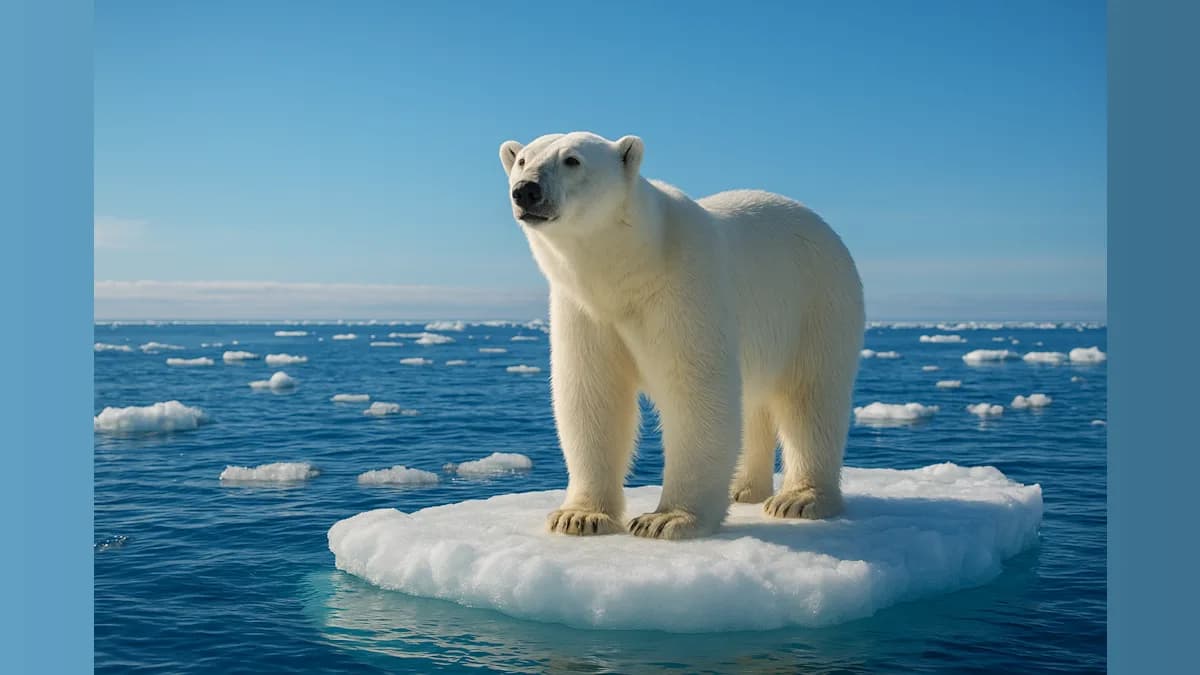
New research reveals a surprising twist in the saga of polar bears. Despite the alarming reduction in sea ice, these majestic creatures living around Svalbard are actually in better shape than they were a quarter of a century ago. Scientists report that their fat reserves have seen a rise since 2000, contradicting fears of a declining population amid climate change threats.
The Barents Sea polar bear population, once numbered at approximately 2,650, seems to have remained stable, leading researchers to dig deeper into this mystery. They found that while ice-free days have increased, the overall body condition of adult polar bears has improved, likely thanks to recovering land-based prey, such as reindeer and walrus. It turns out that while losing ice may not be ideal, it has inadvertently concentrated certain food sources, making it easier for these bears to hunt.
While this news brings a sense of relief, experts caution that continued sea ice loss could hinder future hunting opportunities. Dr. Jon Aars from the Norwegian Polar Institute emphasizes the need for ongoing research to grasp how polar bear populations are adapting to this ever-warming Arctic. Who knew that in a warming world, polar bears could still throw shade on the fitness game?
About the Author
Andrew Johnson
Andrew Johnson is a contributor to LocalBeat, covering local news and community stories.