
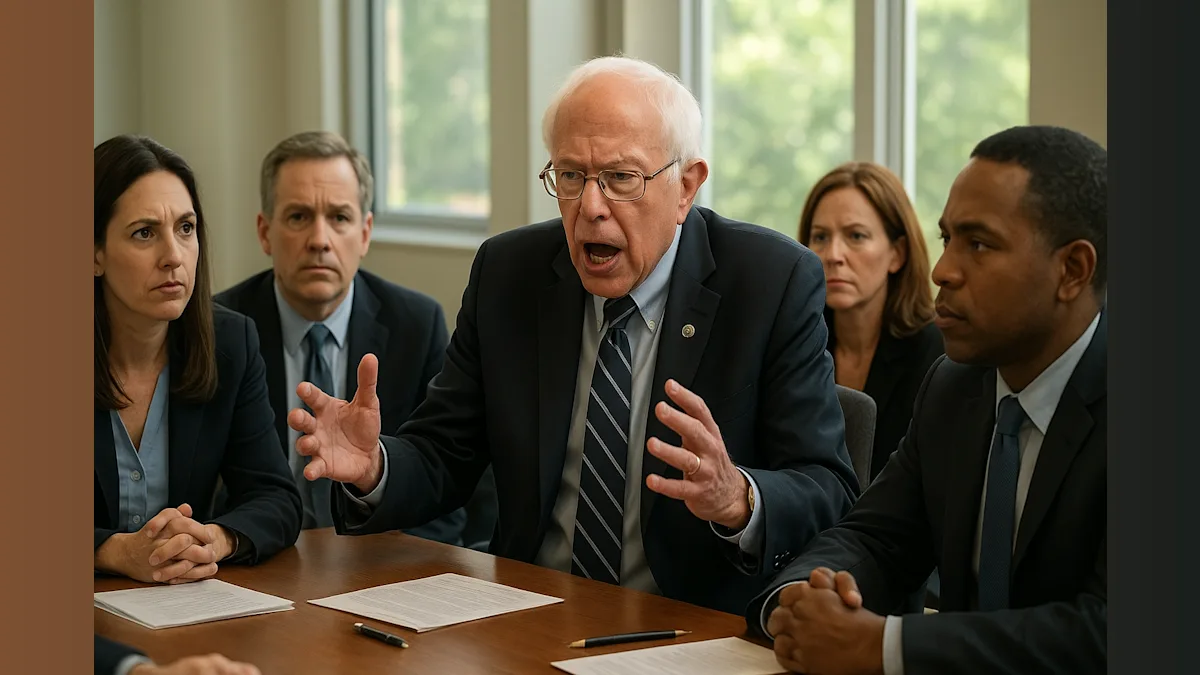
There’s a financial fracas brewing in California, and it’s drawing the attention of lawmakers all the way to Washington, D.C. At the center of this storm is a proposed one-time 5% tax on billionaires, aimed at funding health care initiatives sorely needed in the state. Senator Bernie Sanders is throwing his weight behind this initiative, rallying support to get this measure on ballots by November. Meanwhile, it seems some of California’s wealthiest residents are already packing their bags in response.
But not everyone is celebrating this potential tax. Governor Gavin Newsom has voiced strong objections, arguing that such a tax could drive out wealthy earners who contribute significantly to the state’s revenue. He suggests that the repercussions could hamper funding for essential services like public safety and education. It’s a tough balancing act—one that highlights an ongoing tension between funding public goods and maintaining a favorable climate for job creators.
To complicate matters further, Representative Kevin Kiley is stepping into the ring with his proposal to prevent states from imposing retroactive taxes on residents who’ve left. Kiley argues that the billionaire tax isn’t just a tax; it’s an outright seizure of assets, creating a ripple effect that could endanger California’s economy. With some billionaires already exiting the Golden State, the stakes couldn’t be higher as advocates and opponents of this tax square off.
It’s a wild, tangled web of politics, wealth, and social responsibility—and as we watch this drama unfold, one has to wonder: Is it possible to strike a balance between ensuring health care funding and keeping billionaires from fleeing to friendlier tax havens?
About the Author
Andrew Johnson
Andrew Johnson is a contributor to LocalBeat, covering local news and community stories.