
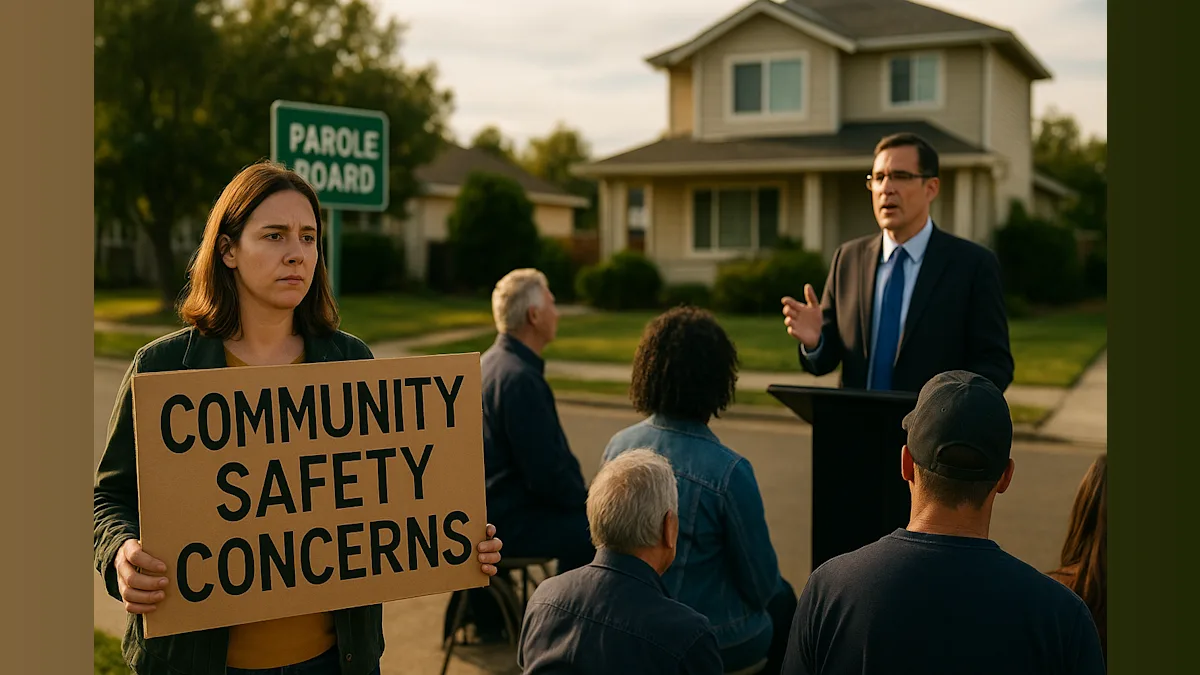
Our community is grappling with difficult questions this week following news of a parole board decision that has many residents concerned about public safety and the balance between rehabilitation and accountability in our criminal justice system.
The case involves an individual convicted of serious crimes against children in Northern California who has been granted parole despite receiving life sentences. This decision has sparked intense debate among community members, victim advocates, and criminal justice experts about how we weigh the principles of redemption against the imperative to protect our most vulnerable residents.
Understanding the Parole Process
California's parole system allows individuals sentenced to life with the possibility of parole to petition for release after serving a minimum term. Parole boards consider factors including institutional behavior, participation in rehabilitation programs, expressions of remorse, and assessments of risk to public safety.
However, decisions like this one raise important questions that resonate throughout our community: How do we measure rehabilitation? What protections exist for potential victims? And how do we support survivors while also maintaining a justice system that allows for the possibility of redemption?
Community Response and Concerns
Local parents and community safety advocates have expressed alarm at the decision, emphasizing the need for transparency in the parole process and stronger protections for children. Many are calling for increased community notification procedures and enhanced monitoring systems for individuals released after serving time for crimes against minors.
Victim advocacy groups remind us that survivors of childhood trauma often carry the impacts of these crimes throughout their lives, and decisions about parole must carefully weigh their ongoing safety and well-being.
What This Means for Our Neighborhoods
As this situation develops, our community has resources available to stay informed and protected. Parents can access information about registered offenders through the California Megan's Law website, which provides public access to information about individuals required to register as sex offenders.
Local law enforcement agencies encourage residents to remain vigilant, know their neighbors, and maintain open conversations with children about personal safety without creating unnecessary fear.
Moving Forward Together
This case highlights the ongoing tension in our criminal justice system between punishment and rehabilitation, between second chances and public safety. As a community, we must continue having these difficult conversations while prioritizing the protection of our children and supporting survivors of abuse.
Community members interested in learning more about parole procedures, victim rights, or child safety resources are encouraged to reach out to local victim advocacy organizations and attend public forums where these issues are discussed.
Together, we can work toward a safer community while ensuring that our justice system remains fair, transparent, and accountable to those it serves.