
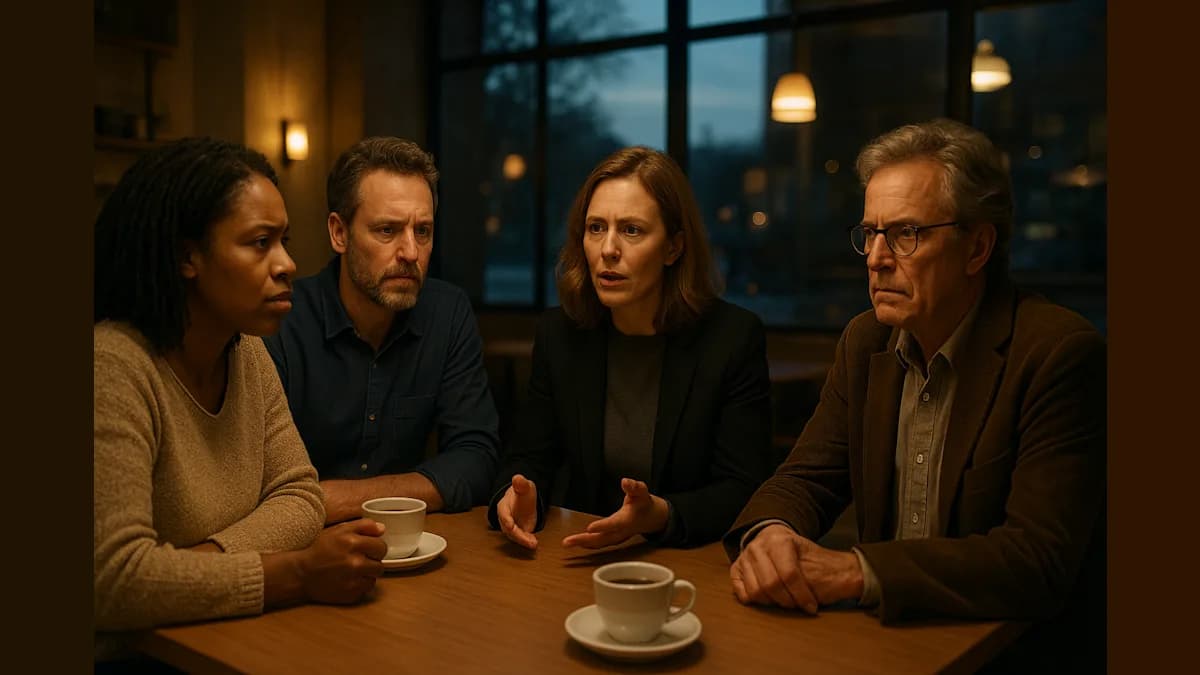
In a rapidly evolving world, writers are feeling the heat as technology makes its way into their creative spaces. With increasing reports of authors discovering their works have been used without permission, the battle of human versus machine is heating up like a bestseller on the shelf. Lisa Locascio Nighthawk, an author caught in the crossfire, voiced the disempowerment many feel as their beloved creations become fodder for algorithms.
The recent court case involving Anthropic shines a spotlight on the issue, revealing how unlicensed use of books can lead to major legal battles. One didn’t even need to be in the courtroom to feel the weight of these debates, with settlements barely scratching the surface of the deep emotional impact on creators. Writers like Nighthawk and Naomi J. Williams are not merely facing legal challenges but a potential crisis of identity, wondering if their craft still holds value in a world increasingly dominated by digital reproductions.
Yet, amidst the challenges and fears, there are glimmers of hope. Many authors, while alert to the risks, are not wholly resigned to doom and gloom. The creative spirit, after all, has a way of adapting, and some writers embrace the new dynamics with cautious optimism. As discussions about creativity and technology continue to unfold, one question looms larger: how can artists protect their unique voices in an age when their words could easily be co-opted? It’s a dilemma that asks us to ponder where the future of creativity is headed.
About the Author
Andrew Johnson
Andrew Johnson is a contributor to LocalBeat, covering local news and community stories.